
All articles by Staff Writer

Staff Writer

Addressing latent TB infection in the immunosuppressed
Dr Edoardo Carretto, the director of clinical microbiology at Santa Maria Nuova Hospital, located in Reggio Emilia, Italy, sheds light on the pivotal role of the T-SPOT.TB test from Revvity in combating cases of latent TB infection, and how it is leading the charge towards the constant reduction of TB cases within the province.

Unique test spectrum for neural autoantibodies
Autoantibodies in neurological diseases are being identified at an unprecedented rate. With more than 15 years of experience in autoimmune neurology, including many research contributions, EUROIMMUN offers an exclusive portfolio of assays for detection of more than 60 neural antibodies in autoimmune encephalitides, paraneoplastic neurological syndromes, acquired demyelinating diseases, myasthenia syndrome and more.

In the MIC of time to fight antimicrobial resistance
Antimicrobial resistance is an escalating global threat that can have disastrous consequences during the treatment of severe cases of infection. Accurate and rapid AST systems are required in the fight against resistance and to save lives. This is where Q-linea’s rapid AST system, ASTar, can help save lives.

Optimise lab workflows with the right assay kits
Valerie Erlewein, a medical technologist at Klinikum Ludwigshafen, Germany, and a professional working in a molecular laboratory at the hospital clinic, discusses their experiences using GenomEra® Assay Kits from Uniogen.

Fighting healthcare – associated infections
The IR Biotyper has supercharged and streamlined Candida auris analysis – Dr Markus Meyer, Head of Business Unit Hygiene/Epidemiology, Bruker Microbiology & Infection Diagnostics discusses how its use could make a difference in your medical laboratory.

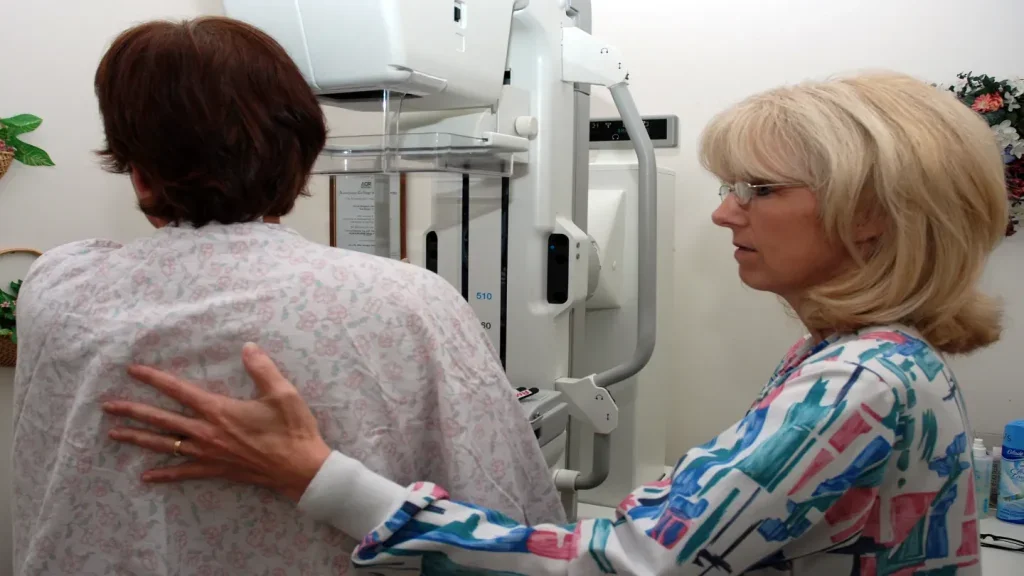
QIAGEN and Myriad Genetics partner to advance companion diagnostics development for cancer
QIAGEN (NYSE: QGEN; Frankfurt Prime Standard: QIA) and Myriad Genetics (NASDAQ: MYGN) today announced a new master collaboration agreement to develop companion diagnostic tests in the field of cancer.

Never miss a beat
Arrhythmias aren’t that uncommon and usually don’t present a grave health threat. But in places like the ICU, where even slight variations in cardiac output can be symptomatic of pathology, or even threaten the life of a patient, keeping tabs is vital for a quick response with treatment. There are established methods to monitor cardiac output of course, but as technology advances, medical researchers can push the envelope of what’s possible. Sarah Harris speaks to Dr Alexandra Kharazi, cardiothoracic surgeon at CVTS Medical Group, and Dr Subasit Acharji, interventional cardiologist at MetroWest Medical Center, to find out about some of the latest methods that could improve cardiac monitoring both in and out of the clinic.
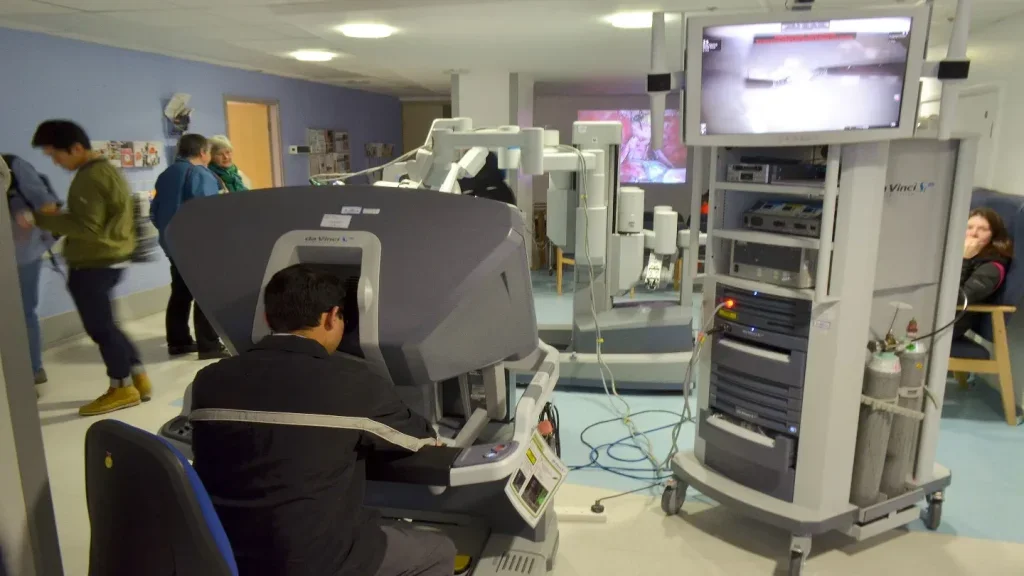
Remote surgery
Barriers to healthcare are nothing new. Inequalities of different kinds can impact the sort of medical care a person receives, but when it comes to the physical location of a patient being prohibitive of surgical intervention, there’s a technological answer. Remote surgery uses internet connectivity and a suite of robotics equipment to allow surgeons to conduct procedures while thousands of miles away from patients. Monica Karpinski speaks to three experts at the cutting edge of remote robotic surgery to find out how it could transform surgical procedures and make them accessible to more patients.

Safe spaces
The transmission risk associated with SARS-CoV-2 forced numerous changes to the way hospitals operate. Now we’re not dealing with the worst excesses of the virus, how much learning from this experience has been maintained in hospitals through permanent changes to infection control procedures? Professor Lyn Gilbert, former chair of Australia’s Infection Control Expert Group (ICEG), tells Abi Millar her thoughts.

Battling biofilm
There are several reasons why chronic wounds are a blight on the globe’s medical systems, but formation of a biofilm on a wound’s surface is perhaps the most difficult to overcome. This barrier shields bacteria against the body’s immune defences and reduces antibiotic efficacy So how can clinicians breach it? Abi Millar asks Barbara Conway, head of pharmacy at the University of Huddersfield, UK, and co-director of the Institute of Skin Integrity and Infection Prevention; Sarah Rowe-Conlon, a research associate professor in the Department of Microbiology and Immunology at the University of North Carolina, and Virginie Papadopoulou, research assistant professor in the UNC-NCSU Joint Department of Biomedical Engineering.